
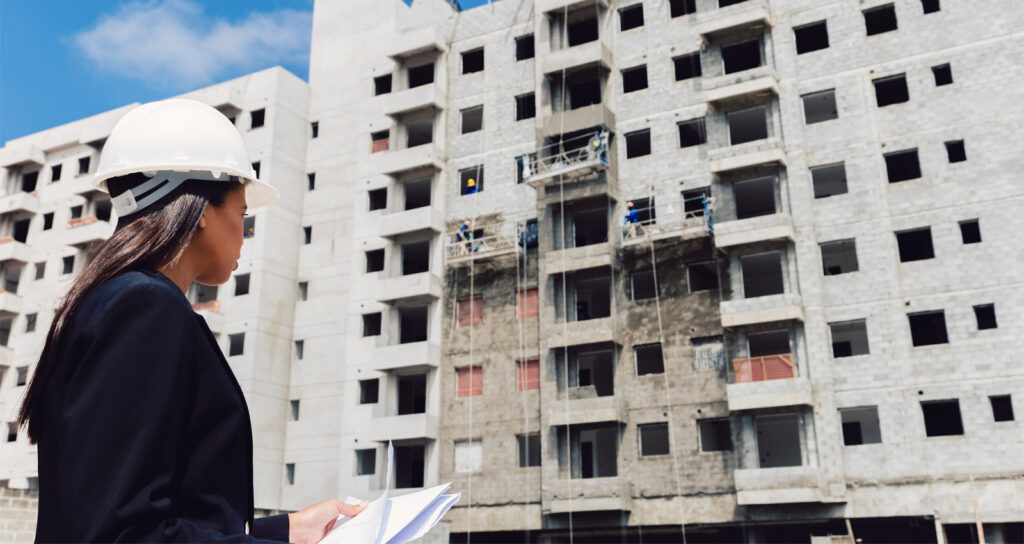
The Backbone of Buildings Exploring Load Bearing and Frame Structures in Civil Engineering

Welcome to Tushar Construction– Transforming Visions into Structures!
Our Expertise:
At Tushar Construction,we bring dreams to life through innovative and sustainable building solutions. Our team of seasoned professionals is dedicated to delivering excellence in every aspect of construction.
Why Choose Us?
Unparalleled Expertise:
With years of experience, our team excels in a diverse range of construction projects, from residential to commercial spaces.
Innovative Design:
We blend creativity with functionality, ensuring your project stands out with cutting-edge architectural designs.
Quality Craftsmanship:
Crafted with precision, our constructions uphold the highest standards of quality, durability, and safety.
Sustainability:
Embrace a greener future with our eco-friendly construction practices, emphasizing energy efficiency and environmental responsibility.
Client-Centric Approach:
Your vision is our priority. We collaborate closely with clients, ensuring your unique requirements are met at every stage of the project.
Title: Enhance Road Safety and Aesthetics with Thermoplastic Road Line Marking Solutions
Welcome to our cutting-edge Thermoplastic Road Line Marking Solutions! Enhance road safety and aesthetics with our durable and vibrant thermoplastic markings.
Key Features:
1. Custom Designs: Express your creativity with custom designs and colors, creating a unique and visually appealing road network that stands out.
2. Skid Resistance: Prioritize safety with our skid-resistant thermoplastic markings, providing enhanced traction and reducing the risk of accidents.
3. UV Resistant: Our UV-resistant formulations ensure that the colors remain vibrant and the markings maintain their integrity, even in harsh sunlight.
4. Cost-effective: Invest wisely with our cost-effective thermoplastic road line marking solutions, offering long-term value and minimal ongoing expenses.
Applications:
1. Roads and Highways: Efficiently guide drivers with clear and visible road markings, reducing the likelihood of traffic incidents.
2. Parking Lots: Maximize parking efficiency and safety by clearly designating spaces and traffic flow with our thermoplastic markings.
3. Pedestrian Crossings: Prioritize pedestrian safety with clearly defined crosswalks and pedestrian zones, ensuring a secure environment for all.
Welcome to the forefront of durable infrastructure – our Bitumen Road Construction services ensure a smooth journey into the future.
Unmatched Durability:
Our bitumen roads stand the test of time, providing resilient surfaces that withstand the harshest conditions. Engineered with precision, our construction guarantees longevity, making every mile a testament to reliability.
Innovation in Construction:
Embrace the future with our cutting-edge construction techniques. We leverage the latest technologies to ensure your bitumen road is not just a pathway, but a statement of modern engineering prowess.
Environmentally Conscious:
Our commitment to sustainability shines through in every project. Utilizing eco-friendly practices, we minimize our carbon footprint, creating roads that not only endure but also contribute to a greener tomorrow.
Seamless Integration:
Our construction process seamlessly integrates with the surrounding landscape. Whether it’s urban development or rural connectivity, our bitumen roads blend functionality with aesthetics, enhancing the overall environment.
Safety at the Core:
Safety is paramount in our construction philosophy. From robust design to meticulous execution, our bitumen roads prioritize the well-being of commuters, ensuring a secure journey on every stretch.
Cost-Efficient Solutions:
Experience cost-effective excellence with our bitumen road construction. We optimize resources without compromising quality, offering unmatched value for your investment.
Client-Centric Approach:
Your vision is our blueprint. We collaborate closely with clients, tailoring our solutions to meet specific needs. Our client-centric approach ensures satisfaction at every stage of the construction process.
Step into a future where every road is a testament to durability, innovation, and sustainability. Choose our Bitumen Road Construction services – paving the way for a journey that transcends expectations.
Welcome to our innovative bridge construction services! At [Your Company Name], we specialize in creating bridges that not only connect geographical gaps but also blend seamlessly with the surrounding environment, enhancing the aesthetic appeal of any landscape.
Our Expertise:
1. Architectural Marvels: Marvel at bridges that are not just structures but works of art, designed by our architects and engineers to stand as testaments to both functionality and beauty.
2. Sustainable Designs: We prioritize eco-friendly materials and construction methods, ensuring that our bridges harmonize with nature and contribute to a sustainable future.
3. Customized Solutions: Understanding that no two projects are the same, our team works closely with clients to tailor designs that meet both practical and aesthetic requirements.
4. Cutting-Edge Technology: We construct bridges using state-of-the-art technology, ensuring that your bridge is not just a connection but a symbol of progress.
Elevate Your Workspace to Unprecedented Heights
Welcome to the epitome of workspace sophistication! Our office interior design seamlessly blends functionality with aesthetics, creating an environment that fosters productivity and innovation.
Discover Our Design Philosophy:
Embrace a harmonious balance of modern elegance and ergonomic brilliance. Our designs prioritize comfort, efficiency, and a visually stunning ambiance. From sleek workstations to collaborative lounge areas, every element is meticulously curated to elevate your office experience.
Tech-Integrated Workspaces:
Stay ahead in the digital age with seamlessly integrated technology. Smart lighting, state-of-the-art audiovisual setups, and ergonomic tech solutions are seamlessly woven into our designs, ensuring a modern and efficient workspace.
Sustainable and Green Practices:
We prioritize eco-conscious designs, incorporating sustainable materials and energy-efficient solutions. Experience a workplace that not only enhances productivity but also contributes to a healthier planet.
Client-Centric Approach:
Your vision is our inspiration. We collaborate closely with you to understand your unique needs and aspirations, ensuring that every inch of your office space reflects your corporate identity and values.
Project Gallery:
Witness the transformative power of our designs through our project gallery. Immerse yourself in a visual journey showcasing our success stories – vibrant co-working spaces, sophisticated corporate headquarters, and more.
It seems like you’re looking for information about epoxy flooring with dielectric insulation properties. Here are some key points to consider:
Dielectric Insulation:
Epoxy flooring can be formulated to have dielectric properties, meaning it can act as an insulator against electrical conductivity. This makes it suitable for areas where electrical insulation is crucial, such as in server rooms, laboratories, or manufacturing facilities with sensitive electronic equipment.
Material Composition:
Epoxy flooring is typically a two-part system consisting of epoxy resin and a hardener. The composition can be adjusted to enhance dielectric properties, often by incorporating specialized additives.
Thickness and Application:
The effectiveness of the dielectric insulation in epoxy flooring can depend on the thickness of the applied coating. Ensure that the flooring is applied according to the manufacturer’s recommendations to achieve the desired insulation properties.
Surface Preparation:
Proper surface preparation is crucial for the success of epoxy flooring. The substrate should be clean, dry, and free from any contaminants that might affect the adhesion of the epoxy coating.
Testing and Certification:
If dielectric insulation is a critical requirement, it is advisable to check for certifications or testing results that confirm the flooring’s electrical insulation capabilities. Some standards or certifications may be relevant depending on the specific industry or application.
Maintenance and Durability:
Epoxy flooring is known for its durability and resistance to chemicals, which can contribute to a longer lifespan. Regular maintenance is essential to ensure that the flooring continues to provide the desired insulation properties over time.
Professional Installation:
To achieve the best results and ensure the dielectric insulation properties are maintained, it’s recommended to have epoxy flooring installed by experienced professionals familiar with the specific requirements of your application.
Our Services:
1.Turnkey Solutions: Let us handle every aspect of your project from conception to completion, ensuring a seamless and hassle-free experience.
2. Project Management: Our dedicated project managers oversee every detail, ensuring timelines are met and budgets are adhered to without compromising quality.
3.Structural Engineering: Rely on our skilled structural engineers to design robust and efficient industrial structures that stand the test of time.
4.Specialized Construction: From manufacturing plants to warehouses, our specialized construction services cater to a diverse range of industrial needs.
Project Showcase:
Explore our portfolio showcasing successful industrial projects that highlight our commitment to excellence. Witness firsthand the quality craftsmanship and innovative solutions that define Tushar Construction.
Welcome to Tushar Construction, where innovative design meets unparalleled construction expertise. Our commercial construction services are tailored to elevate your business environment. From concept to completion, we bring your vision to life, ensuring a seamless and efficient process..
Our Services:
– Project Management: Trust our experienced project managers to oversee every detail, ensuring a smooth and successful construction journey.
– Design-Build: Seamlessly integrate the design and construction phases for a cohesive and efficient process.
– Renovations: Revitalize your existing space to meet modern standards and enhance functionality.
Welcome to our Industrial Epoxy Flooring Solutions!
Transform your industrial space with our cutting-edge epoxy flooring solutions. Our high-performance epoxy coatings provide a seamless, durable, and aesthetically pleasing surface that stands up to the toughest industrial environments.
Why Choose Our Industrial Epoxy Flooring?
Durability:
Engineered to withstand heavy foot traffic, machinery, and chemical exposure, our epoxy flooring ensures long-lasting performance.
Seamless Application: Say goodbye to seams and joints. Our epoxy flooring is expertly applied to create a smooth, seamless surface, reducing the risk of wear and tear.
Chemical Resistance:
Protect your floors from harsh chemicals and spills. Our epoxy coatings create a barrier, preventing damage and maintaining the integrity of your industrial space.
Easy Maintenance:
Enjoy easy cleaning and maintenance with our epoxy flooring. Simply wipe away spills and debris, keeping your space looking professional and pristine.
Customization Options:
Choose from a variety of colors and finishes to match your brand or create designated zones within your facility. Customization options allow you to tailor the flooring to your specific needs.
Quick Installation:
Minimize downtime with our efficient installation process. We understand the importance of getting your operations back up and running, and our team works swiftly without compromising quality.
Enhanced Safety:
Our epoxy flooring solutions can be customized to include anti-slip additives, enhancing safety for your employees and reducing the risk of accidents in the workplace.
Welcome to our world of seamless elegance with epoxy coving! Transform your spaces with our high-quality epoxy coving solutions, crafted for both durability and aesthetic appeal.
Why Choose Epoxy Coving?
Epoxy coving is a game-changer in the realm of interior design. Its seamless finish not only enhances the visual appeal of your space but also adds a touch of modernity. The smooth, continuous surface eliminates corners and joints, providing a clean and polished look that stands the test of time.
Key Features:
Durability:
Our epoxy coving is engineered to last, with exceptional resistance to wear and tear. Say goodbye to cracks and chips as our epoxy seamlessly protects and beautifies your walls.
Versatility:
Whether it’s residential, commercial, or industrial spaces, our epoxy coving adapts effortlessly. Choose from a variety of colors and finishes to match your unique style and design preferences.
Easy Maintenance:
Cleaning becomes a breeze with epoxy coving. Enjoy the convenience of a low-maintenance surface that resists stains and is easy to wipe clean, ensuring your space remains vibrant and fresh.
Customization:
Tailor your space to perfection. Our epoxy coving offers endless design possibilities, allowing you to create a unique and personalized atmosphere. Express your creativity without compromising on quality.
Elevate Your Space with Artistic Flooring
Welcome to our world of exquisite decorative flooring, where artistry meets functionality. Transform your space into a masterpiece with our curated collection of stunning floor designs that blend seamlessly with any interior style.
Explore Our Exclusive Range:
Luxury Vinyl Tiles (LVT):
Immerse yourself in sophistication with our LVT collection, offering the timeless elegance of wood and stone without compromising durability. Choose from a palette of rich colors and textures that elevate your space.
Customized Epoxy Finishes:
Make a bold statement with our customizable epoxy flooring solutions. Express your creativity by selecting from a spectrum of colors, patterns, and finishes. Your floor becomes a canvas, reflecting your unique style.
Porcelain Tile Elegance:
Experience the epitome of refinement with our porcelain tiles. Crafted with precision and attention to detail, these tiles bring a touch of opulence to your floors, making them the focal point of any room.
Why Choose Our Decorative Flooring:
– Unparalleled Aesthetics:
Our flooring options are not just functional but also visually captivating, adding a touch of luxury and personality to your space.
– Durability Redefined:
We understand the importance of longevity. Our flooring solutions are engineered to withstand daily wear and tear, ensuring your investment lasts for years to come.
– Easy Maintenance:
Say goodbye to the hassle of extensive maintenance. Our decorative flooring is designed to be easy to clean, allowing you to enjoy your space without the worry of constant upkeep.
– Expert Guidance:
Our team of flooring experts is dedicated to helping you find the perfect match for your aesthetic preferences and practical needs. From selection to installation, we’ve got you covered.
Transform Your Space Today:
Elevate your living or working environment with flooring that not only complements your decor but also becomes a statement piece. Browse our collection and embark on a journey to redefine the essence of your space.
Discover the beauty beneath your feet with our decorative flooring solutions. Where style meets substance, and every step is a work of art.
Strength, Style, and Performance Combined
Welcome to the epitome of strength and style with our RCC Tri Mix Flooring solutions. Crafted to perfection, our Tri Mix Flooring seamlessly combines durability, aesthetics, and performance, setting a new standard in the world of flooring.
Why Choose RCC Tri Mix Flooring?
Unparalleled Durability:
Our Tri Mix Flooring is engineered with reinforced concrete, ensuring a robust foundation that withstands the test of time. Say goodbye to worries about wear and tear – our flooring is built to last.
Aesthetic Brilliance:
Elevate your space with a touch of elegance. The sleek and polished finish of our Tri Mix Flooring not only adds a modern charm but also reflects a commitment to quality. Create a lasting impression with a flooring solution that speaks volumes.
Versatility Redefined:
From residential spaces to industrial complexes, our RCC Tri Mix Flooring is designed to adapt to diverse environments. It’s the perfect blend of strength and versatility, catering to a spectrum of needs.
Low Maintenance, High Appeal:
Enjoy the beauty of polished flooring without the hassle. Our Tri Mix Flooring requires minimal maintenance, allowing you to focus on what matters most. Revel in a floor that stays immaculate effortlessly.
Customization Options:
Tailor your flooring to match your unique style. With a variety of colors and finishes, our Tri Mix Flooring provides the freedom to customize, ensuring your space reflects your personality and vision.
Environmentally Friendly:
Embrace sustainability with our environmentally conscious Tri Mix Flooring. We prioritize eco-friendly materials and processes, aligning our commitment to quality with a responsibility towards the planet.
Durable and Stylish Flooring Solutions
Welcome to our world of Flack Epoxy Flooring – where durability meets style! Transform your space with our high-performance epoxy floor coatings that not only withstand the test of time but also add a touch of sophistication to any environment.
Why Choose Flack Epoxy Flooring?
Unmatched Durability:
Our epoxy flooring is engineered to endure heavy traffic, resist stains, and maintain its pristine appearance for years. Say goodbye to wear and tear – Flack Epoxy Flooring stands the test of time.
Seamless Aesthetics:
Elevate your space with seamless, glossy finishes that not only catch the eye but also provide a smooth and easy-to-clean surface. Choose from a variety of colors and designs to suit your style.
Versatility at Its Best:
Whether it’s a garage, commercial space, or your home interior, our epoxy flooring solutions adapt to any setting. Enjoy a versatile flooring option that enhances both functionality and aesthetics.
Low Maintenance, High Impact:
Forget the days of extensive upkeep. Flack Epoxy Flooring requires minimal maintenance, making it the ideal choice for busy lifestyles. Easily wipe away spills and keep your space looking effortlessly polished.
Expert Installation:
Trust our team of seasoned professionals to install your epoxy flooring with precision and care. We prioritize quality craftsmanship to ensure your flooring not only looks exceptional but also lasts.
Eco-Friendly Options:
Go green with our environmentally conscious epoxy flooring options. Experience top-tier performance while minimizing your ecological footprint.
Title: Ensure Long-Lasting Elegance with Expert Bathroom Waterproofing Solutions
Subtitle: Elevate Your Bathroom’s Appeal with Top-Tier Waterproofing Services
Introduction:
Welcome to Tushar Construction, where we specialize in enhancing the longevity and aesthetics of your bathroom through cutting-edge waterproofing solutions. Transform your space into a sanctuary of style and durability with our expert services.
– Section : The Importance of Bathroom Waterproofing
In a space where moisture is abundant, ensuring effective waterproofing is paramount. Our solutions not only protect against water damage but also contribute to the overall health of your bathroom by preventing mold and mildew growth.
– Section : Our Expertise At Tushar Construction, we pride ourselves on our skilled team of professionals who bring years of experience to every project. Our tailored approach ensures that your unique bathroom requirements are met with precision and care.
– Section : Comprehensive Waterproofing Services
Section : Comprehensive Waterproofing Services
– Tile Sealing: Preserve the beauty of your tiles while safeguarding against water infiltration.
– Grout Protection: Strengthen the foundation of your tiles with our specialized grout sealing.
– Shower and Bath Waterproofing: Ensure a watertight enclosure for a relaxing bathing experience.
– Floor Waterproofing: Guard against leaks and seepage to maintain a dry and safe bathroom floor.
Section : Benefits of Our Waterproofing Solutions
– Longevity: Extend the lifespan of your bathroom fixtures and surfaces.
– Aesthetics: Enjoy a stunning bathroom that stands the test of time.
– Health: Prevent the growth of mold and mildew for a healthier living environment.
Section : Our Process
– Assessment: Thoroughly evaluate your bathroom to identify potential vulnerabilities.
– Customized Solutions: Tailor our services to address your specific needs.
– Quality Materials: Utilize industry-leading waterproofing materials for lasting results.
Section : Client Testimonials
Read what our satisfied clients have to say about their transformed bathrooms and the exceptional service they received from Tushar Construction.
Section : Contact Us
Ready to elevate your bathroom’s appeal? Contact us today for a consultation and take the first step towards a stylish, waterproofed sanctuary.
Welcome to the world of premium basketball floor coatings – where performance meets aesthetics! Elevate your game with our cutting-edge floor solutions, meticulously designed to enhance the basketball experience.
Unrivaled Durability:
Our basketball floor coatings are engineered to withstand the intense action of the game. Crafted with top-tier materials, they provide a durable and long-lasting surface that can endure the toughest plays.
– Seamless Installation:
Experience a hassle-free installation process that ensures minimal downtime for your court. Our professional team ensures a seamless application, creating a flawless finish that not only performs but also impresses.
– Enhanced Traction:
Stay on top of your game with superior traction. Our coatings provide an optimal grip, reducing the risk of slips and enhancing player safety. Feel confident making those quick cuts and explosive moves on the court.
– Customized Design:
Unleash your creativity! Our basketball floor coatings come with customizable design options, allowing you to showcase team logos, vibrant colors, and intricate patterns. Make a statement with a court that reflects your unique style.
– Low Maintenance, High Performance:
Enjoy the game without the worry of constant maintenance. Our coatings are designed for easy cleaning and minimal upkeep, ensuring that your court looks as pristine as it did on day one.
– Environmentally Friendly:
Commitment to the environment is our priority. Our coatings are eco-friendly, meeting the highest standards for sustainability. Play with peace of mind, knowing that you’re making a positive impact on the planet.
– Versatility Beyond Basketball:
Our floor coatings aren’t just limited to basketball – they’re versatile enough to accommodate other sports and activities. Transform your space into a multi-functional area that caters to various events and gatherings.
Elevate your basketball court to new heights with our premium floor coatings. Contact us now to discuss your project and let us bring your vision to life!
Welcome to our state-of-the-art car deck parking solution! Elevate your parking experience with our cutting-edge facilities and seamless services.
– Unparalleled Convenience:
Our car deck parking ensures hassle-free parking with strategically located decks for quick access to your vehicle. Say goodbye to circling the block – park effortlessly and save valuable time.
– Secure and Safe:
Rest easy knowing your vehicle is in good hands. Our car deck parking facilities are equipped with top-notch security features, including surveillance cameras, well-lit areas, and secure entry points, providing a secure environment for your vehicle.
– Efficient Space Utilization:
Maximize parking space with our innovative deck design. We optimize every square inch, allowing us to accommodate more vehicles without compromising on accessibility and convenience.
– User-Friendly Technology:
Experience the future of parking with our user-friendly technology. Easily locate available spaces, make reservations, and navigate within the deck through our intuitive mobile app, ensuring a seamless and efficient parking experience.
– Environmentally Conscious:
Join us in contributing to a greener future. Our car deck parking facilities incorporate eco-friendly practices, from energy-efficient lighting to sustainable construction materials, promoting environmental responsibility.
– Affordable Options:
Discover cost-effective parking solutions tailored to your needs. With various pricing plans and options, we offer flexibility to suit different budgets, making premium parking accessible to all.
– 24/7 Accessibility:
Your convenience is our priority. Enjoy 24/7 access to your vehicle, providing flexibility for your busy schedule. Our well-lit and monitored facilities ensure a safe environment at any time of the day.
Elevate your parking experience with our car deck parking – where convenience, security, and technology converge for the ultimate parking solution. Book your space today and redefine your parking routine!
Welcome to our Industrial Painting Services – where we transform surfaces and elevate spaces to new heights of durability and aesthetics! Our skilled team specializes in revitalizing industrial infrastructure, employing cutting-edge techniques to ensure durable and visually appealing finishes that enhance both functionality and visual appeal.
Why Choose Our Industrial Painting Services?
– Expertise Matters:
Our seasoned professionals bring years of experience to every project, guaranteeing precision in every stroke and ensuring outstanding results that exceed expectations.
– Specialized Coatings:
We offer a diverse range of coatings tailored to withstand industrial wear and tear, ensuring longevity and protection for your valuable assets.
– Safety First:
Committed to safety, we adhere to industry standards and utilize eco-friendly paints, implementing stringent safety protocols to ensure a safe working environment for our team and your personnel.
– Custom Solutions:
Every project is unique, and we tailor our services to your specific needs, ensuring a bespoke approach that aligns with your industrial requirements and aesthetic preferences.
– Timely Execution:
We understand the importance of timelines in the industrial sector, and our efficient project management ensures timely completion without compromising quality, minimizing downtime and maximizing productivity.
Welcome to the forefront of ETP (Effluent Treatment Plant) and STP (Sewage Treatment Plant) tank coating solutions, where innovation meets durability in the most demanding industrial environments. Our advanced coatings provide unmatched protection, ensuring longevity and peak performance for your critical infrastructure.
Why Choose Our ETP and STP Tank Coatings?
– Corrosion Resistance:
Our coatings form a robust barrier, shielding your tanks against corrosion caused by harsh chemicals present in effluent and sewage, preserving their integrity and prolonging their lifespan.
– Chemical Durability:
Engineered to withstand a wide array of chemicals, our coatings ensure the longevity and efficiency of your tanks, maintaining operational excellence over the long term.
– High-Performance Formulation:
Our state-of-the-art formulation enhances the structural integrity of tanks, delivering superior resistance to abrasion, impact, and other environmental stressors, ensuring reliability in even the most challenging conditions.
– Easy Application:
Designed for seamless application, our coatings streamline the installation process, saving valuable time and resources without compromising on quality, ensuring a hassle-free experience from start to finish.
– Environmental Compliance:
Committed to sustainability, our coatings meet or exceed environmental regulations, contributing to a greener and more responsible industrial footprint, ensuring your operations align with environmental standards.
Welcome to the forefront of Nuclear Radiation Resistance Epoxy Flooring solutions, where durability meets design to create a safer and more resilient environment in the face of nuclear radiation exposure. Our advanced flooring solution is meticulously engineered to provide unparalleled durability and protection, ensuring peace of mind in even the most challenging environments.
Key Features:
– Radiation Shielding:
Our epoxy flooring acts as a reliable shield against nuclear radiation, prioritizing safety and security in facilities exposed to radiation.
– Chemical Resistance:
With superior resistance to chemicals, our flooring withstands the harshest substances, maintaining its integrity and longevity in demanding environments.
– Robust Durability:
Engineered for long-lasting performance, our epoxy flooring is built to endure high-traffic areas, heavy machinery, and extreme conditions, ensuring reliability and longevity.
– Seamless Installation:
Enjoy a hassle-free installation process with our seamless epoxy flooring, providing a smooth and uniform surface that enhances both functionality and aesthetics.
Unlock the Beauty of Your Terrace with Advanced Waterproofing Solutions
Welcome to our Terrace Waterproofing Solutions! Enhance your terrace’s beauty while protecting it from the elements with our advanced waterproofing solutions. Our expert team combines innovation and quality to ensure your terrace remains a stylish, functional space for years to come.
Why Choose Our Terrace Waterproofing Services?
– Seamless Protection:
Our cutting-edge waterproofing technology creates a seamless barrier, shielding your terrace from water damage, leaks, and structural issues.
– Aesthetic Appeal:
Don’t compromise on style. Our waterproofing solutions are designed to enhance the aesthetic appeal of your terrace, allowing you to enjoy a visually stunning space.
– Durability:
We prioritize durability, ensuring our waterproofing solutions stand the test of time. Say goodbye to constant repairs and hello to a terrace that stays beautiful and resilient.
Welcome to the future of flooring with our mesmerizing 3D epoxy solutions! Transform your space into a captivating masterpiece that goes beyond the ordinary.
– Immersive Designs:
Immerse yourself in a world of endless design possibilities. Our 3D epoxy flooring allows you to choose from a vast array of patterns, colors, and textures, bringing your vision to life.
– Depth and Dimension:
Elevate your interior with flooring that creates a sense of depth and dimension. Our 3D epoxy coatings play with light and shadow, adding a dynamic and visually stunning element to any room.
– Customization at its Best:
Tailor your flooring to reflect your unique style. Whether it’s replicating natural elements, abstract art, or a corporate logo, our 3D epoxy floors can be customized to suit your taste and brand identity.
– Durability Meets Aesthetics:
Not just a visual delight, our 3D epoxy flooring is engineered for durability. Enjoy a surface that withstands daily wear and tear while maintaining its captivating appeal.
– Easy Maintenance:
Embrace hassle-free living with easy-to-clean 3D epoxy floors. A simple wipe is all it takes to keep your space looking pristine and vibrant.
– Versatile Applications:
From residential spaces to commercial establishments, our 3D epoxy solutions seamlessly integrate into various environments, adding a touch of sophistication to every setting.
Welcome to the forefront of Electrostatic Discharge (ESD) Flooring solutions, where innovation meets safety with our cutting-edge offerings. Our ESD flooring is meticulously engineered to protect your sensitive electronic equipment by efficiently dissipating electrostatic charges, ensuring a static-free environment for your critical operations.
Applications:
– Electronics Manufacturing: Safeguard sensitive electronic components during production with our ESD flooring tailored for electronics manufacturing facilities, ensuring reliable protection and uninterrupted operations.
– Data Centers: Ensure the integrity of your data and equipment by implementing our ESD flooring solutions in critical data center environments, safeguarding against electrostatic discharges and maintaining operational efficiency.
Bid farewell to worries about water damage. Our Polyurea coating forms a seamless, watertight seal, ensuring your surfaces remain impervious to leaks and moisture – because protection should be as solid as it gets.
– Versatile Beauty:
Enhance aesthetics without compromising strength. Choose from a spectrum of colors and finishes to tailor the look of your coated surfaces. Beauty meets brawn in perfect harmony.
– Rapid Application:
Time is of the essence, and our Polyurea coating understands that. Experience swift application and quick-curing properties, ensuring minimal downtime and maximum efficiency.
– Adaptable Excellence:
Whether it’s industrial flooring, residential surfaces, or commercial spaces – Polyurea proves its mettle. Adaptability is our forte, and we bring superior protection to every corner.
– Eco-Friendly Armor:
Consider Polyurea a long-term investment in the resilience of your surfaces. Enjoy peace of mind knowing that your assets are fortified against wear, tear, and the unpredictable forces of nature.
Discover the future of coatings with Polyurea – where strength meets style, and protection becomes a masterpiece.
Welcome to the world of cutting-edge Corrosion Protective Coatings, where we blend protection with elegance to safeguard your investments in style. Our advanced coatings are meticulously engineered to withstand the harshest environments, ensuring longevity and beauty for your valuable assets.
Key Features
– Unparalleled Protection
Our coatings provide a robust shield against corrosion, extending the life of your assets and preserving their integrity against environmental challenges.
– Aesthetic Appeal
Beyond protection, our coatings enhance the visual allure of surfaces, adding a touch of elegance while ensuring functionality, creating a lasting impression.
– Versatility
Whether it’s industrial equipment, marine structures, or residential applications, our coatings adapt seamlessly to diverse settings, offering versatile protection tailored to your needs.
– Advanced Technology
We stay ahead with state-of-the-art formulations, utilizing the latest technological advancements to deliver superior performance and reliability, ensuring your assets remain protected in any environment.
– Environmental Responsibility
Committed to sustainability, our coatings are eco-friendly, designed to protect your assets without compromising on effectiveness or environmental impact, ensuring a responsible approach to preservation.
– Unparalleled Durability:
Embrace flooring that stands the test of time. Epoxy granular flooring is engineered to resist wear, stains, and impact, ensuring a long-lasting, resilient surface.
– Aesthetic Versatility:
Elevate your environment with a myriad of design possibilities. From sleek, modern finishes to rustic textures, our epoxy granular flooring offers a customizable canvas for your unique style.
– Seamless Application:
Experience a hassle-free installation process. Our epoxy granular flooring seamlessly adheres to various substrates, creating a smooth and flawless surface that enhances the overall look and feel of your space.
– Low Maintenance, High Impact:
– Unrivaled Durability
Engineered to endure heavy foot traffic, abrasions, and impacts, our PU concrete flooring ensures lasting resilience with minimal maintenance requirements.
– Seamless Sophistication
Indulge in a flawless, smooth surface that elevates the visual allure of any space. Our PU concrete flooring delivers a sleek, contemporary finish that effortlessly complements various interior designs.
– Chemical Resistance
Crafted to repel chemicals, oils, and other harsh substances, PU concrete flooring proves ideal for spaces necessitating resistance against spills and stains.
– Effortless Maintenance
Embrace the ease of cleaning and maintenance. With PU concrete flooring, upkeep is a breeze, ensuring your space retains its pristine appearance with minimal effort.
– Versatility
From residential kitchens to industrial warehouses, PU concrete flooring seamlessly adapts to diverse environments, offering a versatile flooring solution tailored to your needs.
Epoxy granulaWelcome to the future of flooring – discover the allure of Epoxy Granular Flooring! Transform your space with a seamless blend of durability, aesthetics, and functionality.
Welcome to our Industrial Painting Services – where we transform surfaces and elevate spaces to new heights of durability and aesthetics! Our skilled team specializes in revitalizing industrial infrastructure, employing cutting-edge techniques to ensure durable and visually appealing finishes that enhance both functionality and visual appeal.
Our seasoned professionals bring years of experience to every project, guaranteeing precision in every stroke and ensuring outstanding results that exceed expectations.
Preserve and beautify structural elements with our specialized steel painting services, preventing rust and corrosion and ensuring structural integrity for years to come.
Experience elegance and durability with Tushar Construction’s Epoxy Terrazzo Flooring solutions.
Tushar Construction offers Concrete Dencifire and Polishing services for a polished and fire-resistant finish.
Enhance safety and organization in industrial spaces with Tushar Construction’s Line Marking Coating.
Tushar Construction introduces Metallic Epoxy Flooring for a sleek and modern finish, enhancing the visual appeal of your spaces.
Tushar Construction offers high-quality PU flooring, ensuring a perfect mix of durability and style for your spaces.
Experience the perfect blend of durability and sophistication with Tushar Construction’s PU Epoxy flooring solutions.
Elevate your floors with Tushar Construction’s resilient epoxy solutions, combining durability and aesthetics seamlessly.
Specialized coatings ensuring longevity and safety for parking spaces.
Strengthening concrete surfaces for enhanced durability.
Customized fabrication solutions catering to industrial and construction requirements.
Versatile flooring solutions combining style and functionality effortlessly.
Comprehensive supply of top-quality materials for diverse construction needs.
Transforming workspaces into modern havens of productivity and creativity.
Shielding terraces from weather elements, ensuring long-lasting protection and structural integrity.
Tailored design solutions that breathe life into spaces, reflecting individuality and style.
Specialized coatings enhancing basketball courts for durability and game precision.
Precision-engineered sports flooring for optimal performance and safety.
Crafting aquatic retreats with meticulous waterproofing for enduring enjoyment.
Pioneering durable and resilient roads, ensuring safe travel and longevity.